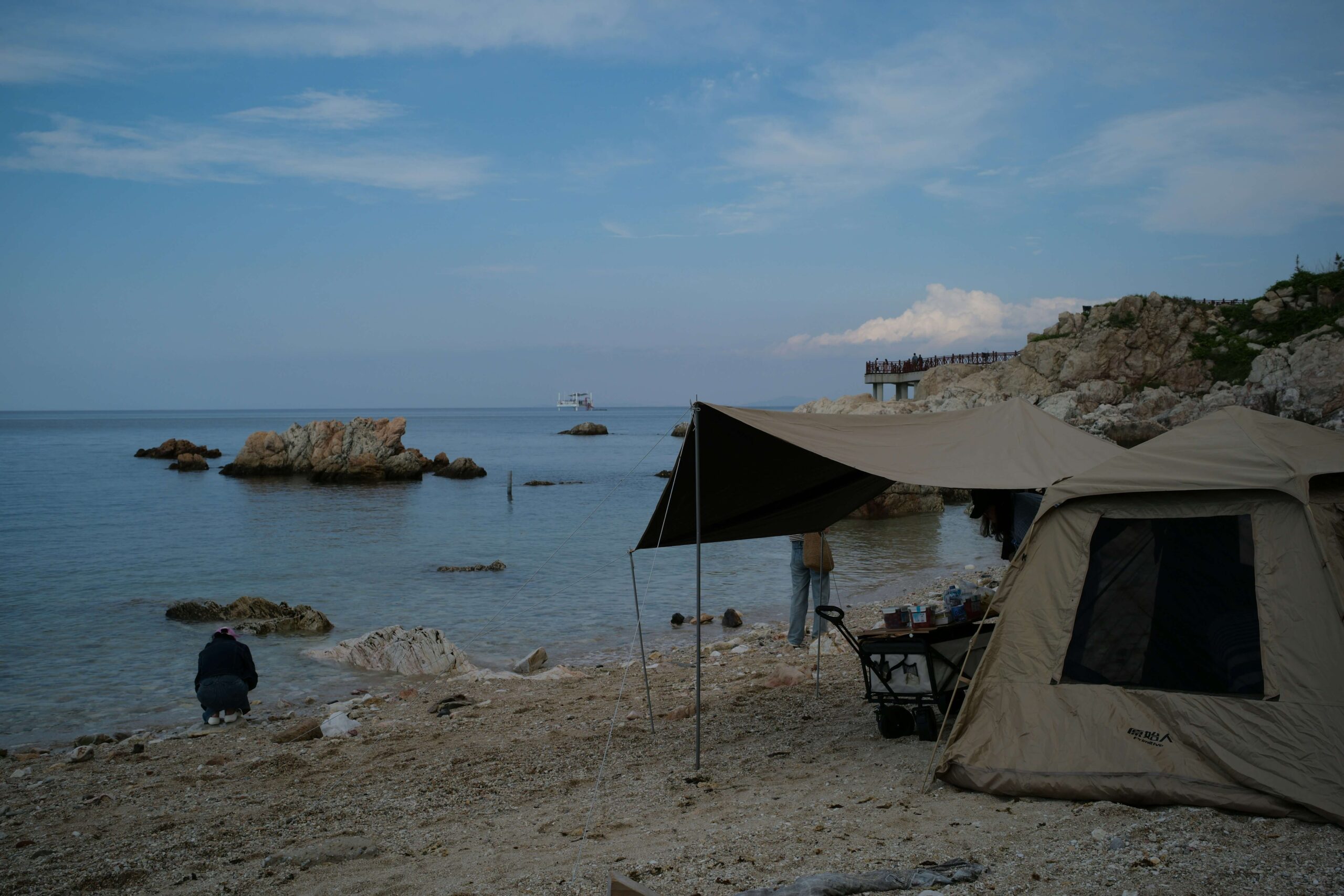
Beach camping in the UK offers a unique way to experience the coastline, from falling asleep to the sound of waves to enjoying peaceful mornings by the sea. However, spending time in these natural spaces comes with a responsibility to protect the environment and minimise your impact. This is where the Leave No Trace principles come in.
Following Leave No Trace rules helps campers preserve beaches, protect wildlife, and keep coastal areas clean for future visitors. From managing waste and avoiding damage to respecting local habitats and leaving your campsite exactly as you found it, responsible camping practices are essential for enjoying the UK’s beaches sustainably.
Are You Allowed to Camp on the Beach in the UK?
In the UK, camping on a beach without the landowner’s express consent is generally prohibited and regarded as trespassing. However, regional differences in regulations are substantial. In England, Wales, and Northern Ireland, you have to use authorised campsites or obtain permission from the landowner.
Can You Camp in a Tent Near the Beach in the UK?
In the UK, you can set up a tent close to the beach, but without specific landowner permission, wild camping on the sand is typically prohibited or severely limited in England, Wales, and Northern Ireland. You must use approved coastal campsites in order to camp lawfully near the water.
How Can You Make a Beach Camping Trip More Eco-Friendly?
Strictly follow the “Leave No Trace” guidelines to make your beach camping experience environmentally friendly. To safeguard fragile aquatic ecosystems from dangerous chemicals, remove all garbage, especially food leftovers that draw wildlife, use biodegradable soap away from the water, and use marine-safe sunscreens.
What Are the UK’s Leave No Trace Rules for Beach Camping?
The UK’s Leave No Trace rules for beach camping focus on protecting coastal environments by reducing your impact and leaving the area exactly as you found it. This includes taking all rubbish home, avoiding damage to sand dunes and plants, respecting wildlife, using existing paths where possible, keeping noise levels low, avoiding pollution, and following local rules about fires, camping, and waste disposal. The aim is to enjoy the beach responsibly while helping preserve it for future visitors.
Why Are Leave No Trace Rules Important on UK Beaches?
In order to preserve delicate coastal ecosystems, stop pollution, and provide a secure, friendly environment for nearby species and coastal residents, Leave No Trace (LNT) principles are essential on UK beaches. Due to the highly sensitive environments found throughout the UK shoreline, such as sand dunes and breeding bird regions, careless behaviour can result in quick and often irreversible damage.
What Are the Seven Leave No Trace Principles?
“Don’t litter” is just one aspect of adhering to the Leave No Trace philosophy. It’s about respecting the outdoors as a communal area. Little things build up. A single off-trail shortcut may appear innocuous, but repeated use over time might cause long-term harm.
The seven “leave no trace” rules are a set of routines that you should follow each time you depart:
Plan Ahead
Look into the local bylaws for the place you plan to visit. You can avoid a night of awkward conversations by taking a short look at the National Parks Authority’s website or the local council’s website. Check the weather forecast and make appropriate travel plans because the UK weather fluctuates more quickly than a London tube schedule.
Be Considerate of Others
In wide spaces, noise travels a great distance. Use a headlamp rather than a floodlight, keep your voice down, and stay away from bright LED lights that could annoy other campers and wildlife. Etiquette calls for a brief “good night” and a quiet exit.
Respect Wildlife
On the beaches, sea lions, cattle, and sheep may roam. Maintain a polite distance because an unexpected human presence can frighten animals and hurt you as well. To keep curious goats and deer away from the campground, store food in airtight containers.
Travel on Durable Ground
The peat layers in the Lake District and the Scottish Highlands are centuries‑old carbon stores; stepping on them can cause irreversible damage. Look for established footpaths, dry stone walls, or clearings that have already been compacted.
Leave What You Find
Rocks, flora, and historical relics should not be taken. The delicate balance of a cairn or dry-stone wall can be upset by even one stone. Admire and leave a rare alpine bloom alone if you come across one. From bluebells in old woodlands to heather in the Highlands, the UK’s flora depends on little disturbance.
Dispose of Waste Properly
The problem is that in the chilly, damp moorland of the United Kingdom, “biodegradable” wet wipes do not decompose. It may take years for these wipes to decompose and release microplastics into peat soils, endangering both plants and animals. Use a wag bag instead. On the other hand, there are typically nice amenities available when camping at a location.
Minimise the Effects of Fire
Open fires are prohibited in the majority of UK natural areas. The ecosystem might be destroyed for years by the smoke from a stray ember that smoulders for days. For cooking, use a lightweight gas cooker; it’s much less dangerous and dependable.
Keep the fire small, use only dry, dead wood, and completely put it out with water before you depart if you are positive that it is allowed.