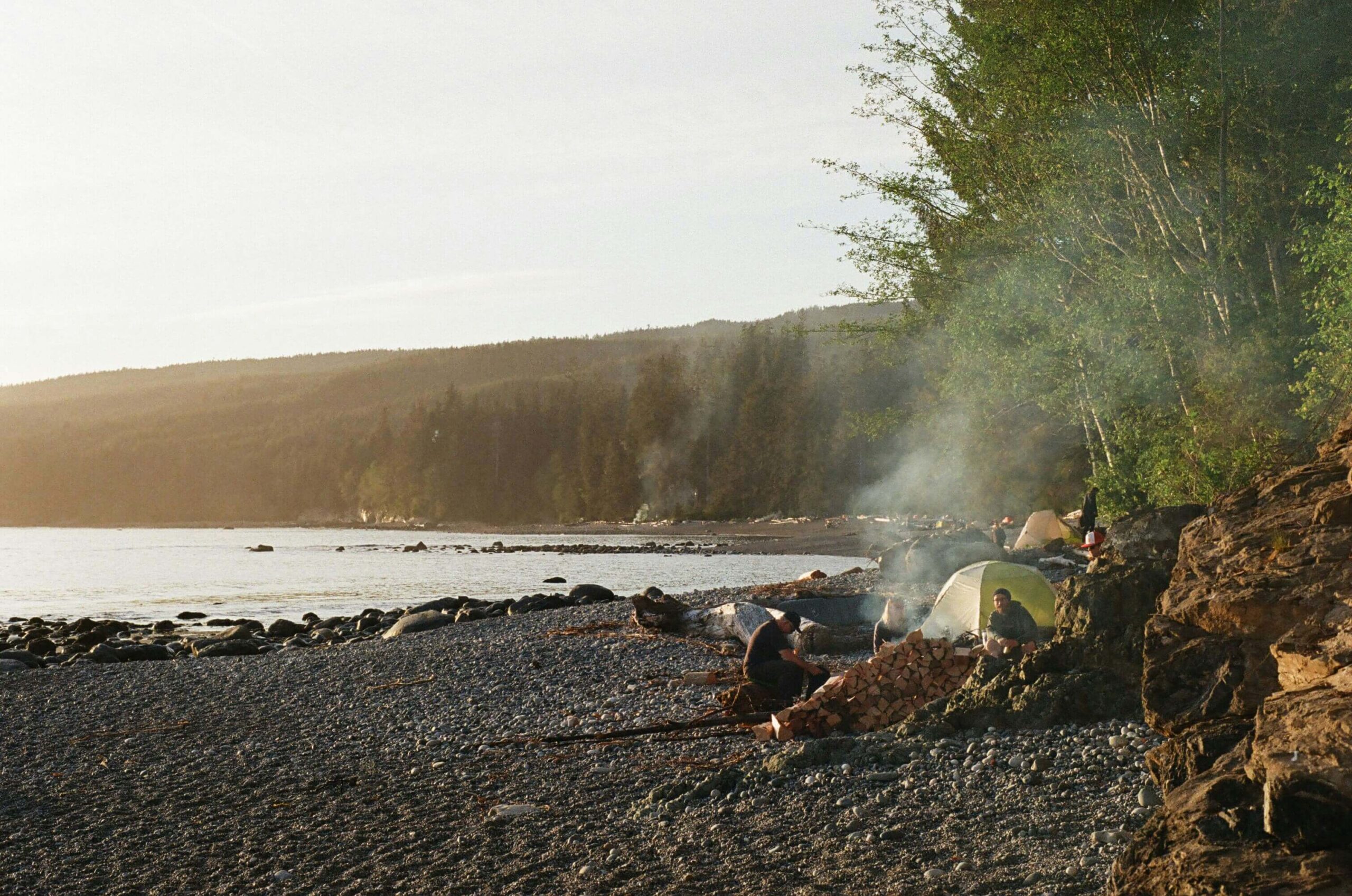
Camping on a beach can be one of the most memorable ways to enjoy the UK’s coastline, offering stunning views, fresh sea air, and the chance to wake up beside the ocean. However, while the idea of pitching a tent on the sand may sound simple, beach camping in the UK comes with specific rules and restrictions that campers need to understand before setting up.
From checking whether overnight stays are allowed to respecting local wildlife and following responsible camping practices, knowing the regulations can help you avoid fines and ensure you leave the beach as beautiful as you found it.
Is Beach Camping Illegal in the UK?
Unfortunately, yes, beach camping is usually considered illegal in the UK unless you have received permission from the landowner. This means that unless the landowner gives you the green light, you are not allowed to pitch a tent on the beach or stay there overnight. However, you are allowed to book accommodation through a place like Camping Walberswick that provides camping facilities very close to the beach.
When is the Best Time to Go Beach Camping in the UK?
If you’re not one for cold camping trips, it’s generally advised that you go beach camping from late May to early September. During this time, you’ll have a summer window which will provide you with longer days, warmer weather, and the most open coastal campsites.
Where Can I Stay While Beach Camping in the UK?
As mentioned, wild beach camping in the UK is prohibited unless you have the landowner’s permission. This means that you have to book accommodation with designated coastal campsites. Even though you won’t be camping on the beach, these coastal campsites offer direct beach access, sea view, and neat facilities. A designated coastal campsite like Camping Walberswick offers accommodation that includes a tipi, beach hut, your own tent, or you can even drive up and park your motor home in their designated areas.
What are the Beach Camping Regulations in the UK?
Beach camping regulations in the UK are largely governed by land ownership laws rather than a single nationwide framework, and the rules vary significantly depending on where you are in the country. In England and Wales, there is no automatic right to camp on beaches or coastal land; most beaches are privately owned or managed by bodies such as the National Trust, local councils, or the Crown Estate, meaning you generally need permission from the landowner before pitching a tent.
Wild camping, which is camping without permission on land you do not own, is illegal in the UK, and beachgoers caught camping without authorisation can be asked to move on or face a fine. Across the UK, even where camping is permitted or tolerated, campers are expected to follow Leave No Trace principles, taking all litter with them, avoiding open fires where prohibited, and respecting local wildlife and other beach users.
How to Find Beach Camping Locations in the UK
Start by visiting the official websites of national parks and nature reserves, as some of these places have spaces set aside for beach camping. Tourist information offices in the area are also excellent resources. They can provide you with the most recent information about where beach camping is allowed and any limitations you should be aware of.
Personal recommendations and advice on hidden treasures can also be obtained by participating in social media groups and online camping forums.
Top Tips For Beach Camping in the UK
Once you have decided where you want to go beach camping in the UK, you need to consider a few things before your camping trip starts. Here’s a list of the top tips for beach camping in the UK to read through before your trip:
- Check the weather and the beach conditions.
- Make sure the type of accommodation you choose fits the type of camping trip you want.
- If you plan to swim while camping, make sure you check local conditions like the rip tides, currents, and other potential underwater hazards.
- Pack a small brush to help keep sand out of your tent.
- Bring a camp blanket or lightweight and portable camp chairs to relax on.
- Put anything you want to keep dry in the vestibule or porch of your tent. Your equipment may get soaked by sudden storms, passing showers, or even damp mornings.
- Always follow the ‘leave no trace’ code and take all your rubbish with you.
- Keep an eye out for wildlife. Particularly during the nesting season, give seals and other marine species plenty of room.