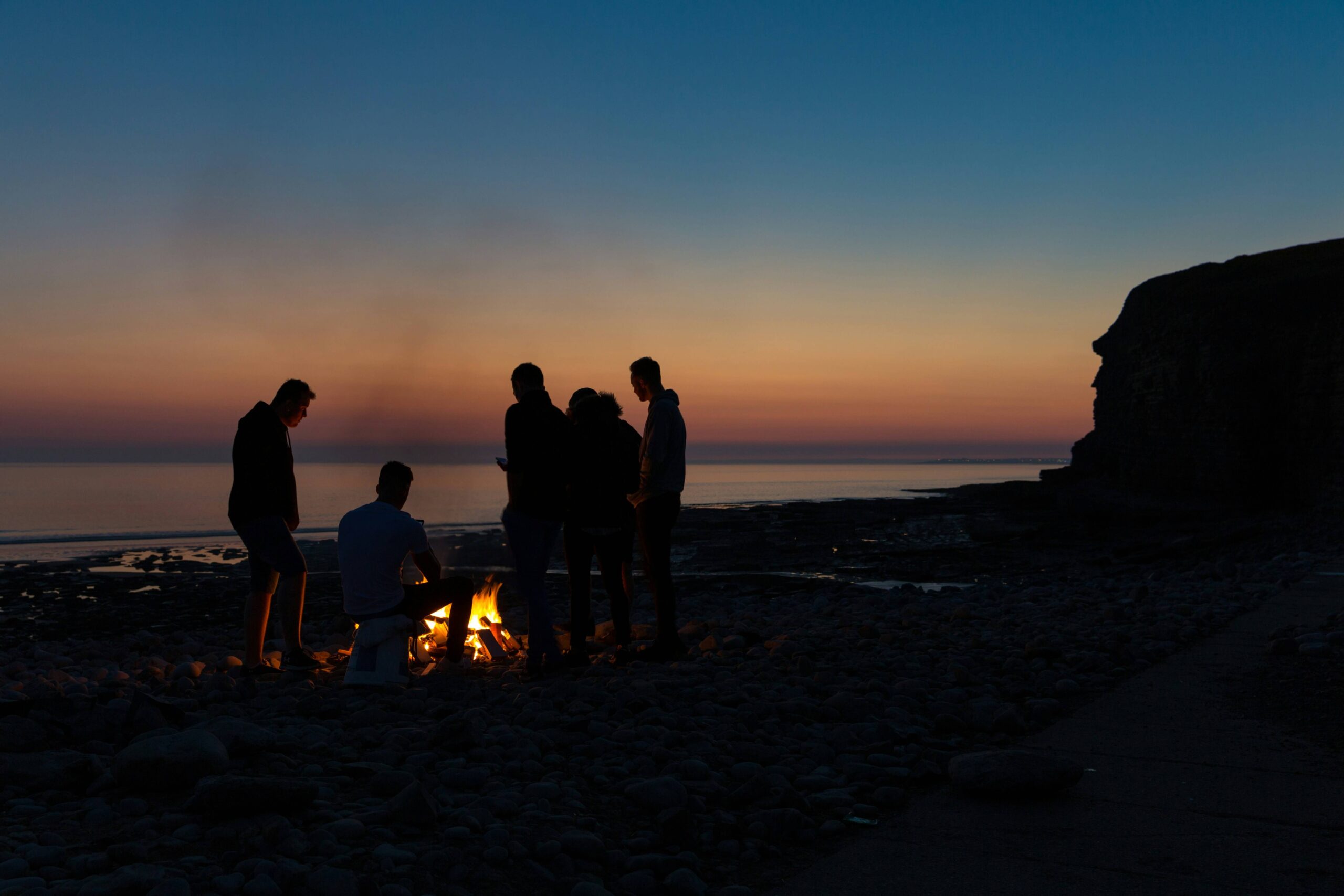
A beach campfire can be a great way to end a day by the sea, but are you actually allowed to light one on a UK beach? The answer depends on the beach you visit, as local councils and landowners may have different rules about open fires. Before packing the marshmallows and firewood, it’s worth checking what’s allowed, where you can safely build a fire, and what restrictions you need to follow.
Can You Get a Fine for Lighting a Campfire on a Beach in the UK?
The local laws surrounding lighting a campfire on a beach in the UK depend on the beach you are on and the reason. You can get a fine for lighting a campfire on a UK beach if you break local by-laws, beach regulations, or other applicable laws.
However, the extent of the fine and penalties depend on the location nd the nature of the offence. Some beaches prohibit open fires while other beaches allow them under certain conditions.
Can Local Councils Ban Beach Fires in the UK?
Yes, local councils can introduce restrictions on beach campfires through relevant by-laws and local regulations. These rules can prohibit open fires altogether or limit where and when they can be lit.
Are Beach Barbecues Allowed in the UK?
Beach barbecues are allowed at some UK beaches, but the rules vary by location. Some beaches permit raised barbecues or designated barbecue areas while banning disposable barbecues and open fires. Others prohibit all types of barbecues, particularly during busy periods or when there is a high risk of fire. Always check local guidance before bringing a barbecue, keep it away from dry vegetation and never leave it unattended.
Are Campfires Allowed on Beaches in the UK?
There is no single rule that allows or prohibits campfires on every beach across the UK. The rules depend on the country, local council by-laws, beach management arrangements and any restrictions imposed by the landowner. Always check the regulations for your chosen beach before lighting a fire:
England and Wales
In England and Wales, beach campfires are subject to local rules and restrictions. Some councils prohibit open fires, including fire pits and fire bowls, while allowing certain types of barbecues in designated areas or during specific hours.
For example, BCP Council prohibits open fires, fire pits and fire bowls on its beaches, promenades and cliffs, with a potential fine of £1,000. However, it allows certain barbecues under specific conditions.
Scotland
In Scotland, the Scottish Outdoor Access Code provides guidance on responsible access to the outdoors, including camping and fire safety. Access rights do not give you automatic permission to light a campfire wherever you choose.
The guidance encourages people to avoid open fires where possible, particularly during dry periods or in places where fires could damage vegetation, wildlife or nearby property.
Before lighting a fire on a Scottish beach, check the land manager’s guidance and any relevant local regulations. If you are unsure whether fires are permitted, choose a safer alternative.
Private Land and Specific Beach Camp Sites
If a beach is privately owned or forms part of a managed campsite, you may need permission from the landowner or site operator before lighting a campfire. Some campsites provide designated fire pits or barbecue areas, while others prohibit open fires entirely.
Even if the landowner gives you permission, you must still follow any applicable laws, local by-laws and fire safety restrictions.
How Can You Check if Campfires Are Allowed on Your Specific Beach?
The easiest way to check whether campfires are allowed is to visit the local council’s official website and look for beach rules, by-laws or fire safety guidance. You can also check signs at the beach entrance, as these may explain whether open fires, fire pits or barbecues are permitted.
If the rules aren’t clear, contact the council or beach management team before your visit. Don’t assume a fire is allowed just because other visitors have lit one.
How Can You Build a Beach Campfire Safely?
If fires are permitted on your chosen beach, follow these precautions to reduce the risk of injury, damage and harm to wildlife.
- Choose a safe location: Keep away from dunes, dry grass, vegetation, beach huts and other flammable materials.
- Check the weather: Avoid lighting fires in strong winds, as sparks can travel and start fires elsewhere.
- Keep the fire small: Use only the fuel you need and never leave the fire unattended.
- Keep water nearby: Bring enough water to extinguish the fire completely if needed.
- Protect the environment: Avoid burning rubbish, plastics or materials that could release harmful fumes.
Tips for Putting Out a Beach Campfire Properly
Putting out a beach campfire involves more than waiting for the flames to disappear. Hot embers can remain dangerous for a long time, and burying them in sand can put other beachgoers at risk.
- Pour water over the embers: Carefully douse the fire until the flames and glowing embers have disappeared.
- Check for remaining heat: Make sure there are no hot spots or smouldering materials left.
- Never bury the fire: Sand can trap heat and leave dangerously hot areas beneath the surface.
- Dispose of waste responsibly: Take away any rubbish, leftover fuel and ash where required. Follow local instructions for disposing of fire waste.
- Leave the area clean: Check the surrounding sand for debris, including small pieces of charcoal and fire-starting materials.