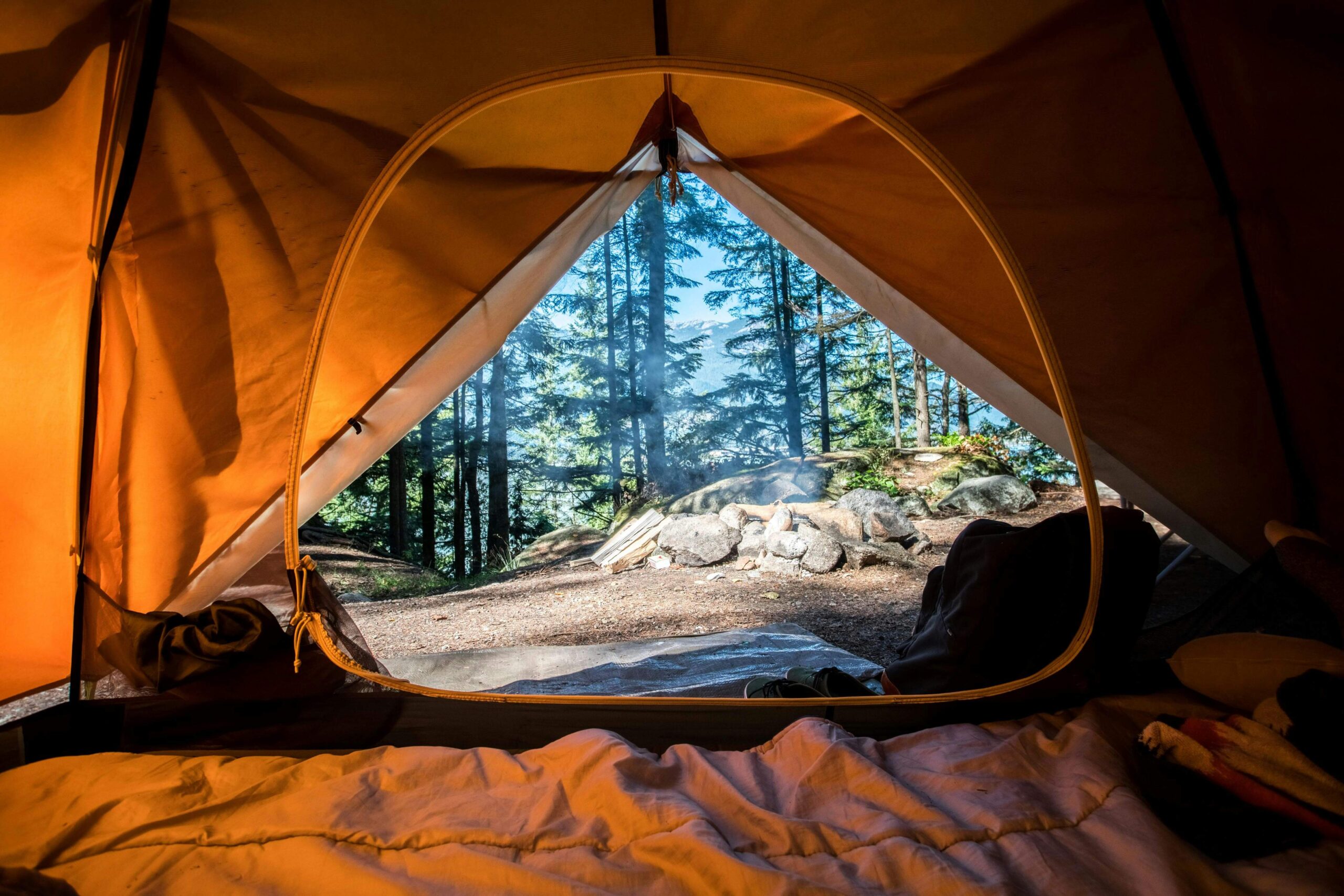
Suffolk is one of England’s most naturally beautiful counties, home to a rich and diverse landscape of coastlines, wetlands, ancient woodlands, and protected wildlife habitats that have been carefully preserved for generations. From the stunning Suffolk Heritage Coast and the vast wetlands around Walberswick to the ancient woodlands and nationally important nature reserves scattered across the county, Suffolk’s natural environment is as varied as it is breathtaking.
But for those looking to camp and explore the great outdoors in Suffolk, it is important to understand which areas are protected, what the rules are, and where you can and cannot pitch up. Getting it right means you can enjoy everything Suffolk has to offer while helping to protect the landscapes and wildlife that make it so special. Here is everything you need to know about protected areas and camping in Suffolk.
What are Protected Areas and Why Do They Exist?
Suffolk’s designated landscapes and ecosystems, which include rare heathlands, old woods, and distinctive coastline shingle, are protected in order to preserve biodiversity. These areas, which span a significant amount of the county and consist of more than 1,100 sites, comprise both non-statutory County Wildlife Sites and statutory safeguards like Sites of Special Scientific Interest (SSSIs) and National Nature Reserves (NNRs).
Can You Camp in an Area of Outstanding Natural Beauty in Suffolk?
It is possible to camp at registered campsites, farm sites, or glamping locations in Suffolk’s Areas of Outstanding Natural Beauty (AONB). Although unapproved “wild camping” is mostly prohibited in England, there are a few places that provide isolated, outdoor experiences.
Can You Camp Near the Beach in Suffolk?
In Suffolk, there are a number of designated vacation parks and campsites along the coast that offer beach huts, tipis, tents, camper, and motorhome pitches. Wild camping on the beach itself is not allowed, though.
Are There Any Protected Areas You Cannot Camp in Suffolk?
Camping is either strictly forbidden or severely limited in a number of Suffolk’s protected areas. In general, wild camping is prohibited without the landowner’s consent, and Suffolk’s sensitive wildlife and conservation sites aggressively police this. Here’s a list of areas where you cannot camp:
- Landguard Nature Reserve: Camping is strictly prohibited in Landguard Nature Reserve. To preserve the environment and delicate flora, the area has stringent “No Camping” regulations for both tents and campervans.
- National Trust Land: In Suffolk, camping is typically prohibited on National Trust land, and they frequently expressly ask that guests not spend the night there.
- Open Access Land: Camping is not included in the “right to roam” that you have on open access land. On certain lands, camping is prohibited unless specifically authorised.
- County Wildlife Sites: Because of their richness, the Suffolk Wildlife Trust has named these locations. Although they are not necessarily legally protected, camping is often regarded as improper.
What are the Penalties for Camping in a Protected Area in Suffolk?
In Suffolk, it is typically illegal to camp in the wild without authorisation. Penalties for refusing or camping in prohibited places include police-issued fines (Fixed Penalty Notices, sometimes over £100), potential court fines up to £2,500, and vehicle seizure, however they are frequently greeted with a request to move on.
How to Find a Legal Campsite Near a Protected Area in Suffolk?
Since wild camping is not permitted in Suffolk, finding a legal place to camp near protected areas requires a little more planning than simply pitching up wherever you please. The good news is that Suffolk has a number of registered and licensed campsites that sit in close proximity to some of the county’s most stunning protected landscapes.
Finding a licensed campsite close to protected land in Suffolk is easier than you might think. There are a variety of tools, directories, and booking platforms available that allow you to search for registered sites by location, making it straightforward to find a campsite that puts you within easy reach of the protected areas you want to explore. Whether you are looking to spend your days bird watching in the wetlands, walking along the Heritage Coast, or exploring the county’s ancient woodlands, choosing a well-located registered campsite is the best way to experience Suffolk’s protected landscapes responsibly and legally.