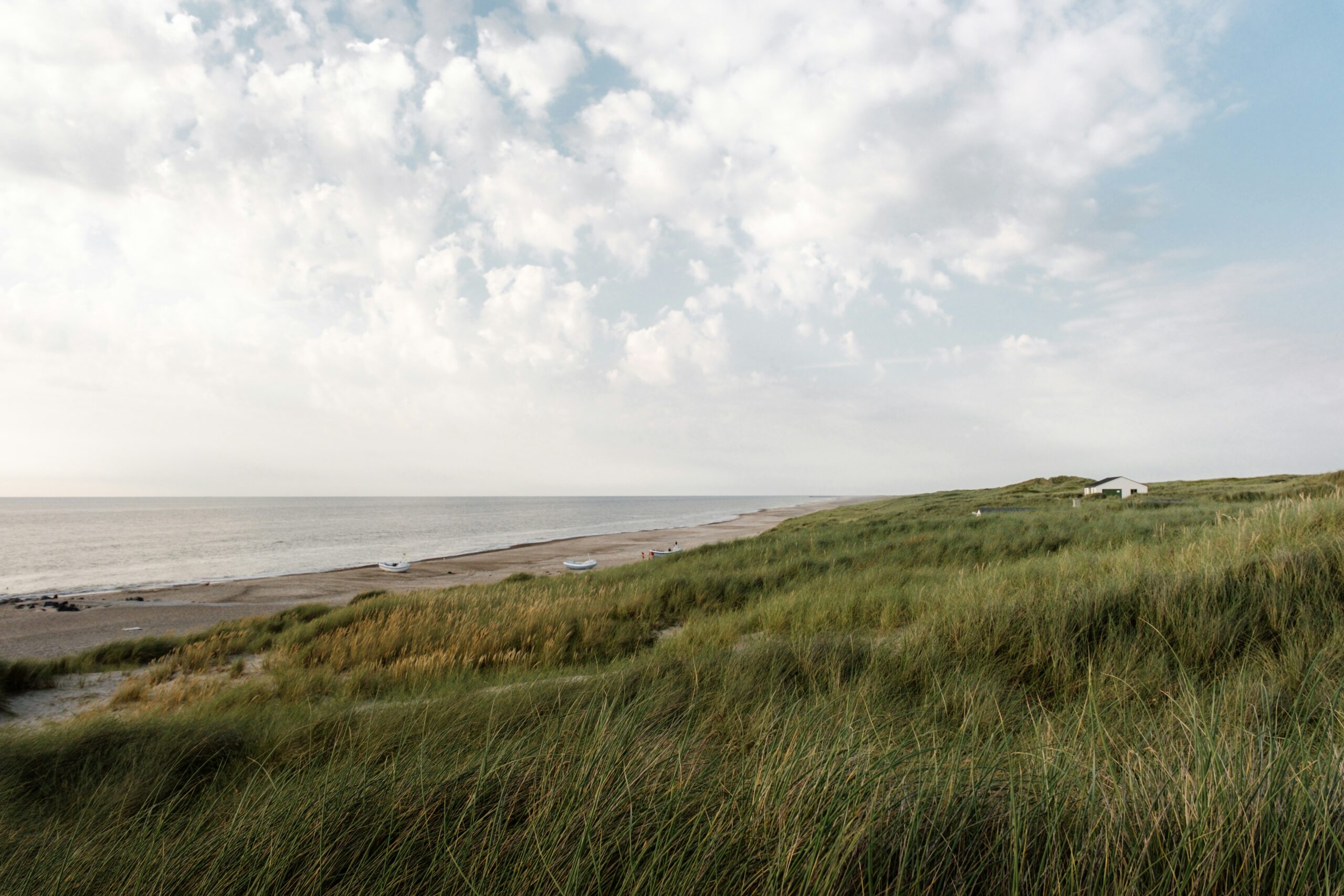
With life operating at such a fast pace, we all require a break at some point, and there is nothing quite like beach camping. The smell of the ocean air, the sand in between your toes, and the ability to run around carelessly without a laptop in sight. You just know you’ll return feeling like a brand new person.
But while the coast is nature’s medicine, you want to make sure you prep, as you don’t want to be caught off guard by scorching temperatures or unpleasant winds.
Why Do Coastal Conditions Require Special Preparation?
People are generally not allowed to camp directly on the beach, dunes, or shore areas without explicit landowner permission. Instead, you will often stay at designated local spots, like Walberswick Camping, which is located about 50 yards from the beach near the River Blyth.
These sites usually offer a mix of grass and sand pitches, meaning you still have to deal with coastal elements. Because of this, taking a moment to understand the local terrain can save you from unnecessary stress.
What Happens If You Camp Unprepared?
The reality is that nature doesn’t stand still, and ignoring basic safety measures can lead to real discomfort. Here is what you might run into if you don’t have a few handy tricks up your sleeve:
- Shelter challenges: Coastal breezes are notoriously strong, and if your tent isn’t properly anchored or positioned, shifting winds can destroy all your efforts.
- Sun and heat exposure: Because beaches are surrounded by open water and reflective sand, the sun is even more powerful. Consequently, improper shade or ignoring sunscreen leaves you vulnerable to painful sunburns and quick fatigue.
- Getting lost: Exploring coastal trails or dunes without a map or a charged phone can leave you disoriented once the sun starts to go down.
- Campfire risks: Building an open fire on dry coastal grass can spark fast-moving brushfires.
What Are Some of the Beach Camping Hacks Every Camper Should Know?
To ensure your camping trip stays enjoyable and doesn’t result in one disaster after the other, there are a few hacks you can take advantage of.
Remove Sand Instantly with Baby Powder
Most people have experienced the infamous leg rash caused by friction or trying to remove stubborn sand from feet. Fortunately, sprinkling a little talc-free baby powder onto sandy feet or legs works wonders before you head back to your tent.
It quickly absorbs residual moisture, which means the sand simply brushes right off your skin without any frustrating friction or irritation.
Keep Your Sleeping Quarters Clean with a Mini-Broom
Sand between your sleeping sheets is enough to drive anyone insane, and sand ending up in your vehicle is another can of worms you don’t want to open.
Packing a small hand broom, dustpan, or portable mini-vac is an item you don’t want to leave off your checklist, as it will save endless hours of damage control when you return home.
Secure Your Shelter Using Specialised Sand Stakes
Even if you are pitched slightly inland, coastal campsites frequently feature a mix of grass and loose sandy soil. Unfortunately, standard tent pegs have a tendency to pull right out of loose ground when coastal breezes pick up.
For this reason, you should invest in specialised long sand stakes or bury weighted mesh bags tied securely to your guy lines, which are the ropes used to secure your tent, to hold your shelter firmly in place.
Stay Fire Safe at Your Campsite
Because lighting fires directly on public beaches or dunes is usually prohibited, you should always use the designated fire pits or raised barbecues provided at your campsite. Furthermore, open fires can be tricky to manage in windy coastal conditions.
Be sure to always extinguish your flames thoroughly with water rather than burying them with hot sand, as hidden coals can smoulder and burn barefoot walkers.
Shield Your Setup from Coastal Winds
Coastal areas are wide open, and changing wind directions can quickly demonstrate how strong your camping setup truly is. In most cases, our tent’s ability to withstand strong winds is usually overestimated.
If you dread chasing after camping chairs, the trick is to find a sheltered spot where the wind hits the back of your camp, and always remind yourself to peg down your gear securely.
Take Advantage of the Local Tide Charts
Even though your tent is safely pitched at a campsite, you’ll likely spend your day exploring the beach and nearby water. The reality is that tides come in quickly, and what looks like a dry walking path can end up completely underwater in just a few hours.
If you don’t want to be left surprised by soaked towels or shoes, you can check the local tide times before planning long beach walks or a jog.
Ready to Experience Nature’s Medicine?
Beach camping is one of the most rewarding outdoor adventures you can experience. By anticipating coastal shifts and adjusting your checklist before packing, you can enjoy an unforgettable time without running after camping equipment or having a dreadful spring cleaning session when you get back home.