Walberswick Beach is known for its sandy shoreline, dunes and views across the Suffolk coast, but there is more to see than the sea and sand. The beach and surrounding habitats provide opportunities to spot a variety of birds, marine animals and other coastal wildlife, particularly if you know where and when to look. From birds flying over the shoreline to wildlife around the nearby estuary and dunes, a visit can become an enjoyable nature-spotting experience for adults and children alike.
Is Walberswick Beach Good for Wildlife Watching?
Yes, Walberswick Beach is a good place for wildlife watching, particularly because it sits within a wider landscape of beaches, dunes, marshes, heathland and the Blyth estuary. The surrounding Walberswick National Nature Reserve supports a wide range of wildlife.. The area is known for species including marsh harriers, bitterns, avocets, oystercatchers and other wetland and coastal birds.
When Is the Best Time to Spot Wildlife at Walberswick Beach?
The best time to spot wildlife depends on what you want to see. Spring and summer can be good for seeing breeding and migrant birds, while autumn and winter bring larger numbers of waders and wildfowl to Suffolk’s estuaries. Species such as avocets, oystercatchers, redshanks and other waders can be particularly noticeable around muddy and wetland areas.
For daily wildlife watching, early morning is generally a good time to visit because there are often fewer people around and birds are actively feeding.
What Should You Bring for Wildlife Spotting at Walberswick Beach?
You do not need specialist equipment to enjoy wildlife watching at Walberswick, but a few simple items can make spotting and identifying animals much easier.
- Binoculars: Useful for viewing birds across the beach, dunes, marshes and estuary without getting too close.
- A camera: Bring a camera or smartphone if you want to photograph wildlife from a safe distance.
- A wildlife guide: A bird or coastal wildlife identification guide can help you work out what you have spotted.
- Comfortable walking shoes: The wider area includes coastal paths and natural habitats, so suitable footwear is useful.
- Sun protection: Pack sunscreen, sunglasses and a hat during sunny weather.
- Water and snacks: Useful if you plan to spend several hours exploring the beach and surrounding area.
What Wildlife Can You Spot Directly From Walberswick Beach?
Walberswick’s location beside the Suffolk coast and the Blyth estuary means you can look for a mixture of coastal, marine and wetland wildlife. Some species are easier to spot than others, and sightings will depend on the season, weather, tide and exactly where you are looking. The wider Minsmere-Walberswick area is recognised for its important bird populations, including avocet, bittern, little tern and marsh harrier.
Birds You Can Spot at Walberswick Beach
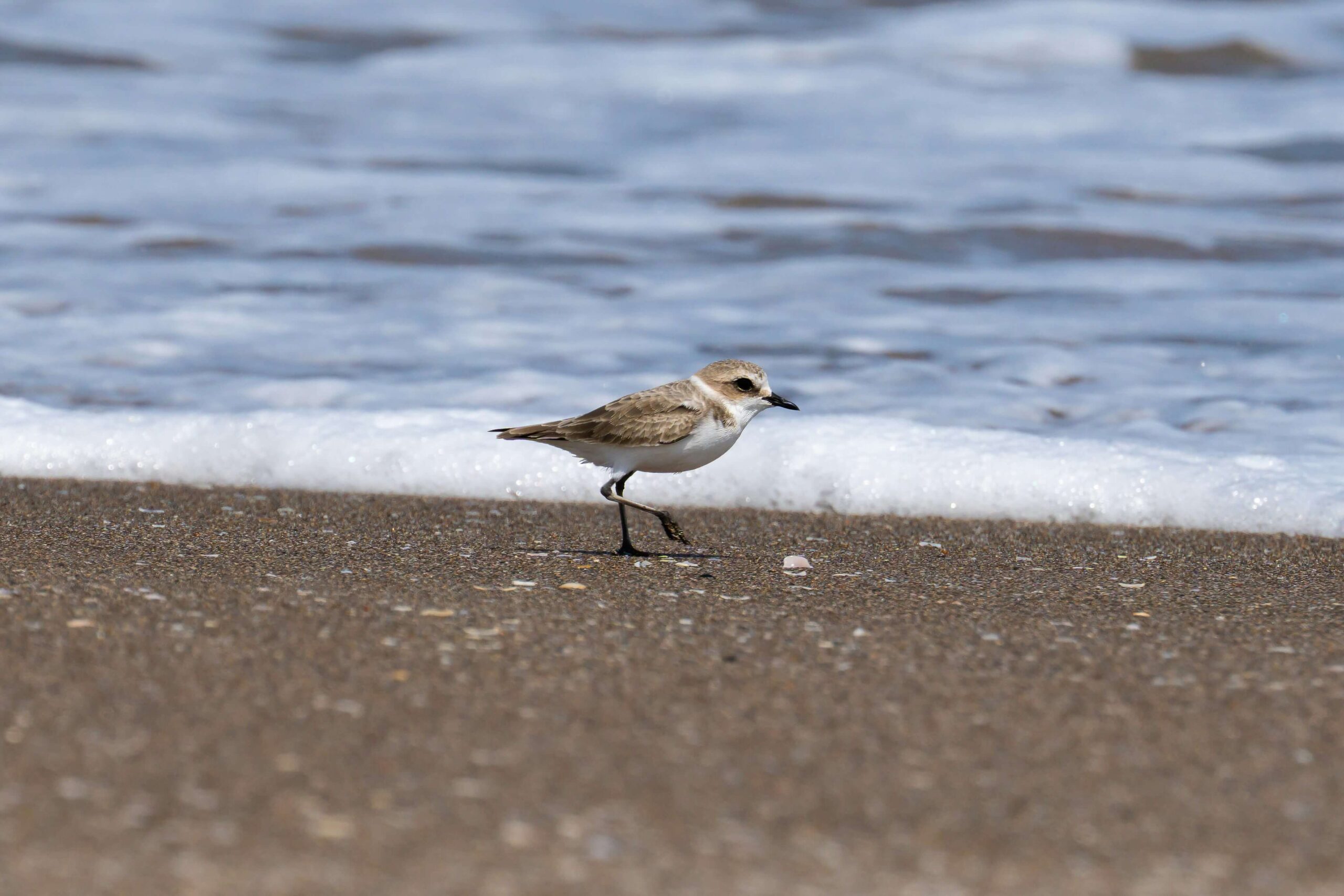
Birds are likely to be some of the easiest wildlife to spot from the beach. Look along the shoreline, above the dunes and towards the estuary for oystercatchers, ringed plovers, gulls, terns and other coastal birds. Oystercatchers and ringed plovers can be found in coastal and estuary habitats, while gulls are common around the shoreline.
During the warmer months, keep an eye out for little terns, which are among the important breeding birds associated with the wider Minsmere-Walberswick Special Protection Area. In winter, larger numbers of waders and wildfowl can visit Suffolk’s estuaries.
Birds of Prey
The wider Walberswick area is also home to birds of prey. Marsh harriers are one of the notable species associated with the Minsmere-Walberswick area, while other sightings around Walberswick include buzzards, red kites and sparrowhawks.
These birds are more likely to be spotted over the marshes and surrounding countryside than directly over the sand, so looking inland from the beach or exploring nearby walking routes can increase your chances.
Seals and Other Marine Wildlife
Marine wildlife can be harder to spot from the beach, but it is worth scanning the water and horizon. Grey seals and harbour porpoises are among the marine species found along the Suffolk coast. Harbour porpoises can sometimes be seen relatively close to shore in shallow coastal waters, although sightings are not guaranteed.
If you spot a seal, keep your distance and avoid approaching it. Marine animals are wild and should be observed without trying to attract them towards the shore.
Wildlife in the Dunes
The dunes and coastal vegetation around Walberswick provide habitat for smaller wildlife as well as birds. Look carefully around the vegetation for insects, butterflies and other small creatures. The wider reserve contains a variety of habitats supporting a rich range of plants and invertebrates.
It is important to stick to designated paths where possible, particularly around sensitive dune habitats and areas where birds may be nesting.
Where Are the Best Places to Look for Wildlife at Walberswick Beach?
The beach itself is a good starting point, particularly if you scan the shoreline, sea and sky, but some of the best wildlife-watching opportunities are found around the Blyth estuary, marshes, dunes and wider Walberswick National Nature Reserve. The area’s different habitats are what make it so rich in wildlife.
Around the beach, look along the shoreline and above the dunes, while the estuary and mudflats are particularly useful places to search for waders and wildfowl. Moving quietly and using binoculars rather than approaching animals will give you a better chance of seeing wildlife while helping to minimise disturbance.